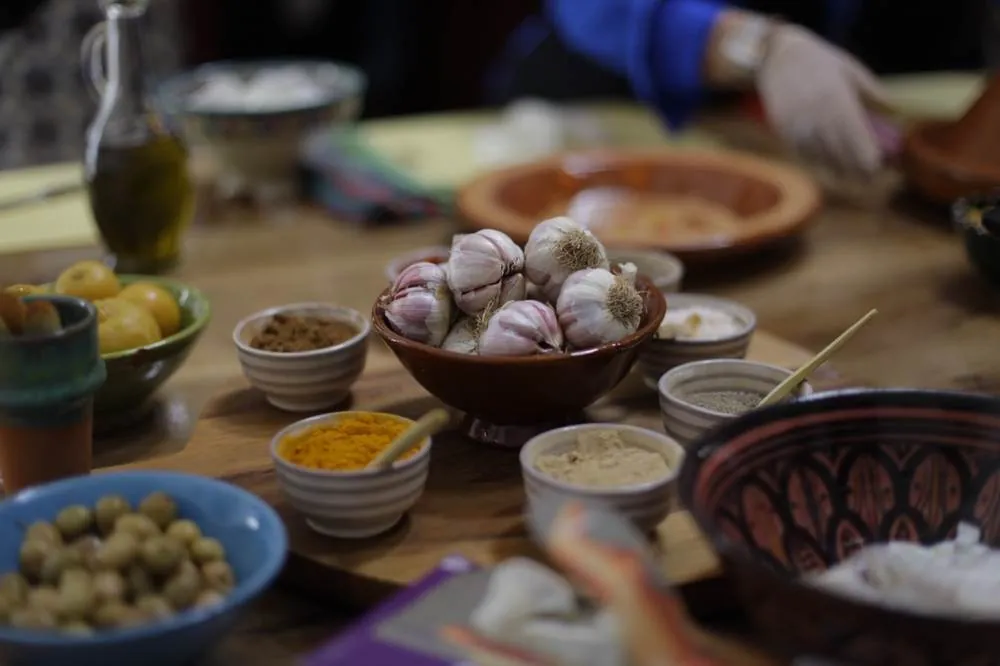
A bowl shaped from clay. A first attempt at stitching leather. The aroma of a tagine prepared together. These small moments give students a personal connection to the place they are visiting.
At Marrakech Local Experience, we introduce travellers to Moroccan culture through cooking and traditional crafts. For teachers planning a visit, these activities offer a practical way to bring local food, materials and skills into the learning experience.
Three ways to explore Moroccan culture
Cooking: culture around the table
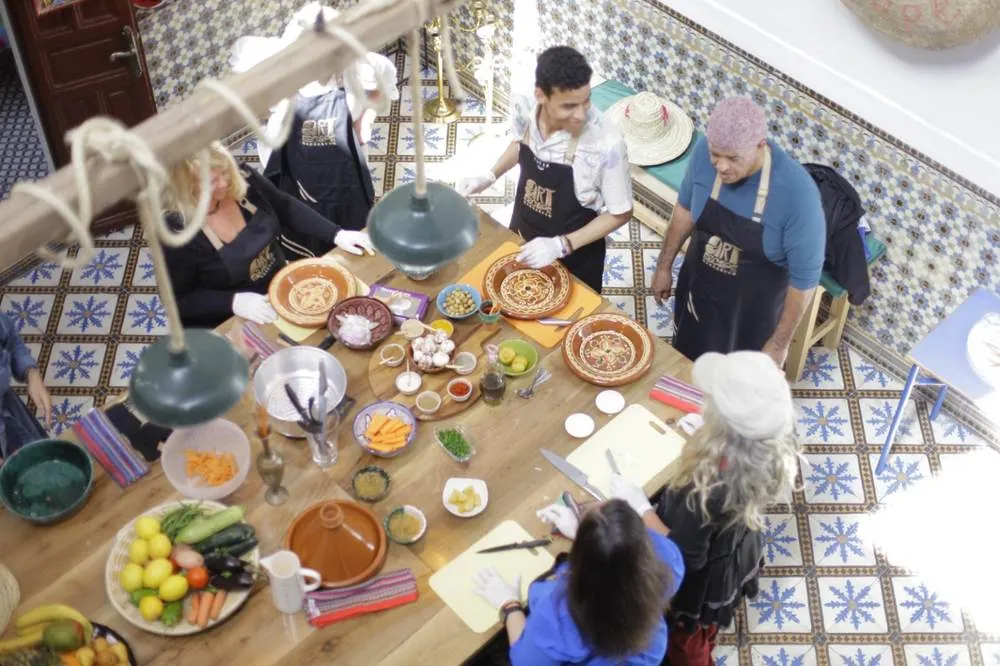
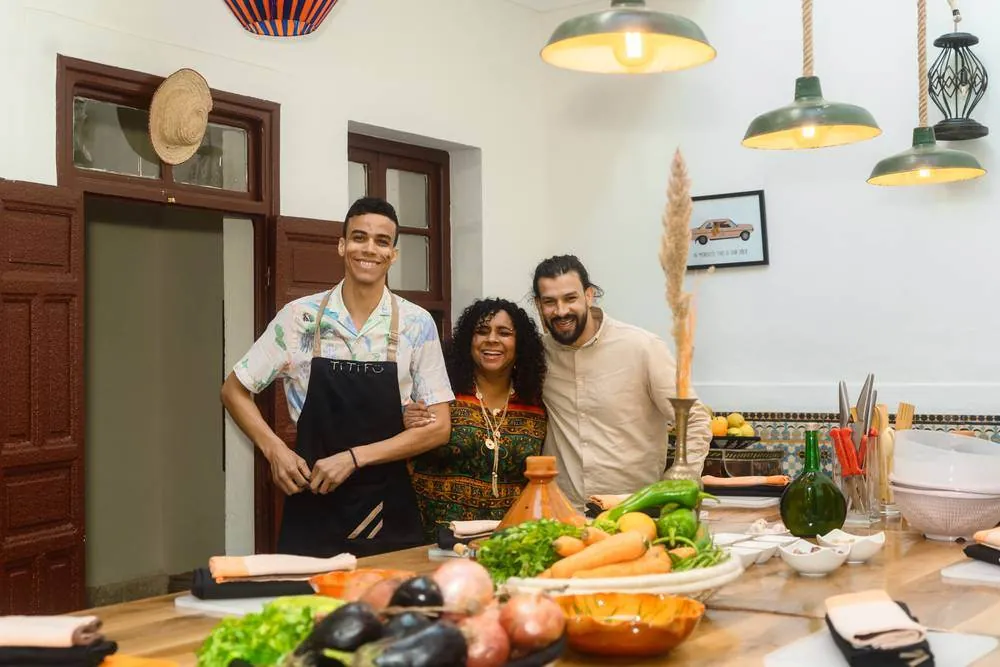
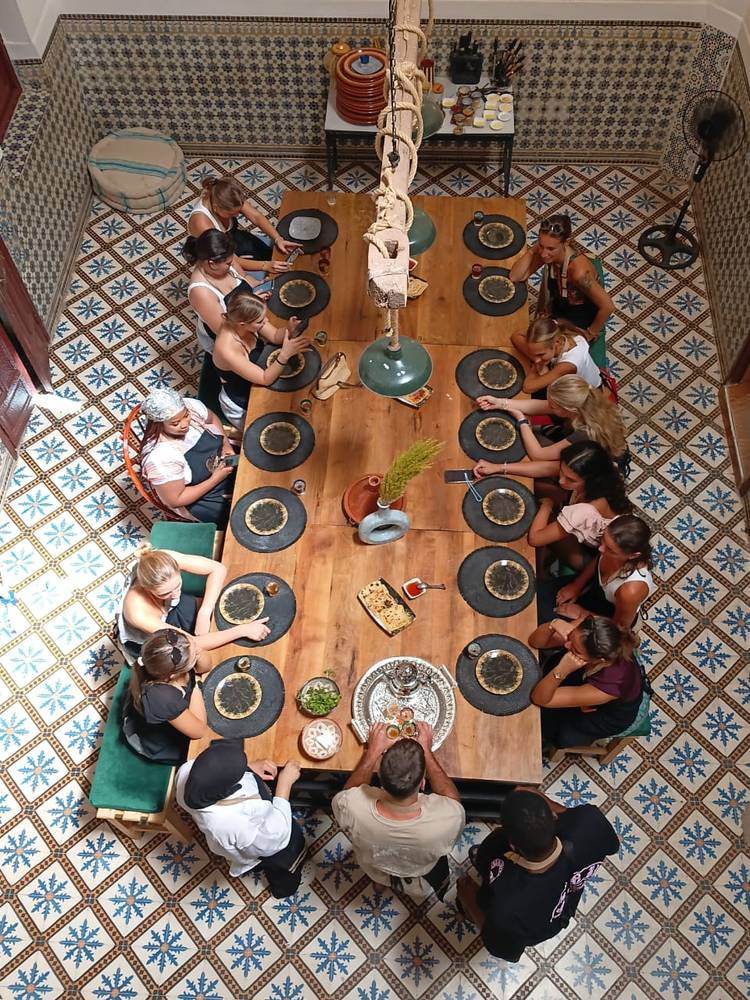
A cooking workshop invites students to discover Moroccan ingredients and follow a recipe with local cooks. Preparing vegetables, combining spices and sharing tasks create opportunities to practise communication and cooperation. The experience ends around the table, enjoying what the group has prepared.

Pottery: an idea takes shape
Working with clay gives students room to experiment. They can explore texture, balance and form while discovering hand-building and the potter's wheel. Teachers can connect the activity to art and design, with time afterwards to discuss what students tried and what they would change.
Drying, painting and firing arrangements should be agreed before the visit, especially for groups leaving Marrakech soon afterwards. See the pottery workshop.
Babouche making: discovering the work behind an everyday object
Moroccan babouches offer a starting point for exploring leatherwork and design. Students discover how materials, patterns and stitching come together, guided by a local craftsman. The workshop opens up conversations about handmade production and the skills involved in making something useful. See the babouche workshop.

Links to what students learn at school
Each workshop can connect to subjects your students already study. Teachers often use them to support:
- Art and design — form, texture, pattern and colour in clay and leather.
- Geography — local ingredients, materials and the link between Marrakech and the Atlas Mountains.
- History and culture — crafts and recipes passed down through generations.
- Languages — real conversations with local hosts in English or French.
- Food and nutrition — spices, seasonal vegetables and how a Moroccan meal is shared.
- Enterprise — how artisans make, price and sell handmade products.
- Teamwork — sharing tasks, listening and helping each other to finish together.
Build the visit around your students
Start with what you want the group to explore: food culture, creative expression, traditional craftsmanship or working together.
When enquiring, tell us the students' ages, group size, preferred date and available time. Share any dietary requirements or accessibility needs so we can discuss a suitable format. Activity suitability, supervision, transport and practical arrangements should be confirmed before booking.
A simple follow-up can extend the experience back into the classroom: a recipe journal, a sketch of a handmade object, or a short reflection on a conversation with a local host.
Meet Abdou, your local contact
My name is Abderrahim, but most people call me Abdou. I grew up in Imlil, in the Atlas Mountains, where my father worked as a tour guide. Welcoming visitors was part of the life I knew.
I moved to Marrakech in 2009. Working in tourism showed me how a shared meal or a conversation with a craftsman can become a meaningful part of someone's journey.
That is the spirit behind Marrakech Local Experience. Together with local cooks and craftspeople, I welcome guests to discover Morocco through participation, conversation and hospitality. Read our story.
Let's plan your group's experience
Send us your proposed date, number of students, age range and preferred workshop. We'll discuss availability and the details with you.
- WhatsApp: +212 622 716 729
- Email: info@marrakechlocalexperience.com
Questions & answers
Which workshops can school groups join?
School groups can explore Moroccan culture through our cooking, pottery and babouche-making workshops, led by local cooks and craftspeople.
What should teachers tell you when enquiring?
The students' ages, group size, preferred date and available time, plus any dietary requirements or accessibility needs, so we can discuss a suitable format.
Can students take their pottery home?
Pottery needs time to dry before painting and firing, so these arrangements should be agreed before the visit, especially for groups leaving Marrakech soon afterwards.